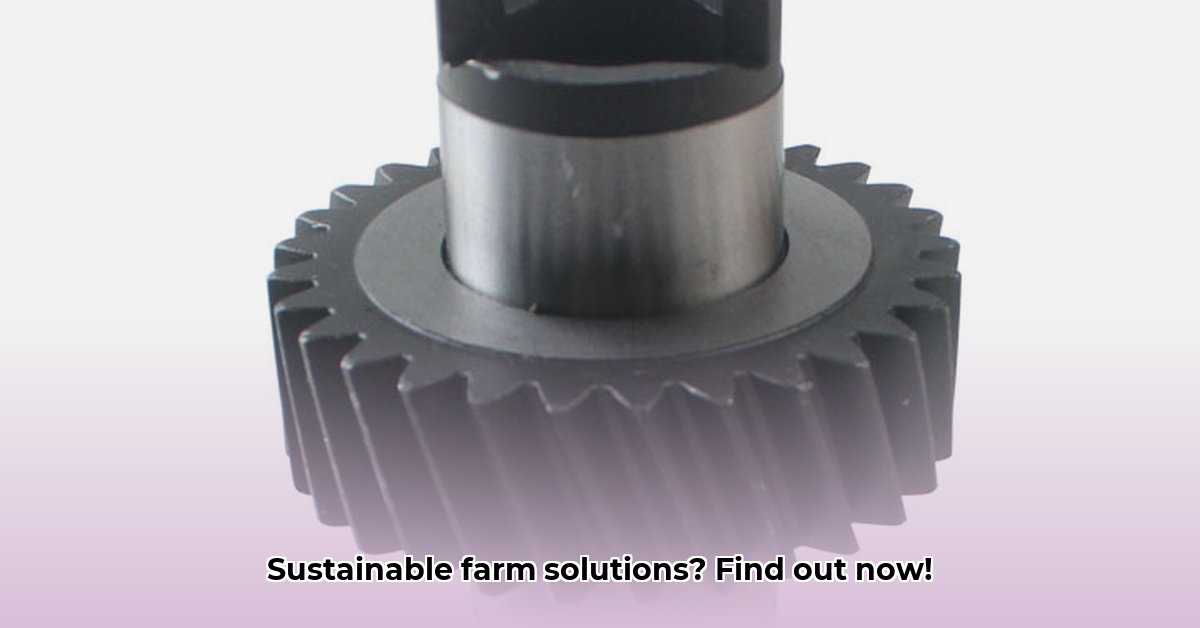
Tractor Parts Wholesale: Navigating the Modern Agricultural Landscape
Finding the right tractor parts quickly and efficiently is crucial for maintaining farm productivity and profitability. This guide explores the evolving landscape of tractor parts wholesale, offering actionable intelligence for farmers and businesses seeking sustainable and cost-effective solutions. The market is dynamic, with established wholesalers competing with a rising tide of online retailers and a growing emphasis on environmentally conscious sourcing. For more on sustainable agricultural equipment, check out this resource.
The Evolving World of Tractor Parts
For years, established businesses dominated the tractor parts wholesale market, built on strong customer relationships and reliable service. However, the rise of e-commerce has democratized access to parts, enabling farmers to compare prices and options from a broader range of suppliers. This digital revolution presents both opportunities and challenges. Established businesses must adapt to remain competitive while new players must establish trust and reliability. How can both succeed?
"The internet has fundamentally shifted how farmers access tractor parts," says Dr. Emily Carter, Agricultural Economics Professor at Purdue University. "While this offers greater choice, it also necessitates a more diligent approach to supplier selection."
A Practical Guide to Sourcing Tractor Parts Wholesale
Securing a consistent supply of high-quality, cost-effective parts is paramount. Follow these steps to navigate the market effectively:
Online Exploration: Start your search online. Numerous marketplaces offer a wide selection, enabling quick price comparisons. However, price shouldn't be the sole determinant. Carefully review customer reviews; word-of-mouth is a powerful indicator of a reliable supplier. Do they respond to issues quickly and effectively?
Thorough Supplier Due Diligence: Before committing, investigate the supplier's reputation. Do they have a proven track record of providing quality parts and timely delivery? Online searches can unveil valuable insights, including customer feedback and any reported issues.
Beyond Price: Total Cost of Ownership: The cheapest option isn't always the most economical. Consider the complete cost, including shipping, warranty coverage, and customer support. Superior service and peace of mind might justify a slightly higher upfront cost.
Sustainable Sourcing: Environmental awareness is significantly influencing purchasing decisions among farmers. Prioritize suppliers who are committed to sustainable sourcing, responsible manufacturing, and environmentally sound practices. This reflects positively on the farm's commitment to responsible agriculture.
Cultivate Strong Supplier Relationships: Build strong relationships with reliable suppliers. Trust fosters beneficial partnerships offering valuable advice, priority service, and potential long-term cost savings.
Strategies for Tractor Parts Wholesale Businesses: Adapting to New Realities
The tractor parts wholesale industry must adapt to survive and thrive. Key strategies include:
Embrace Digital Transformation: A robust online presence is crucial. Invest in a user-friendly website with streamlined ordering capabilities.
Data-Driven Inventory Management: Utilize sales data to anticipate demand and optimize inventory levels. Software solutions significantly improve efficiency in managing stock, reducing waste and storage expenses.
Supply Chain Optimization: Enhance your logistical processes. Explore efficient shipping options and strategic partnerships to maximize timely deliveries.
Highlight Sustainability Initiatives: Promote your organization's commitment to sustainable practices and environmentally friendly materials. This resonates strongly with environmentally conscious farmers.
Exceptional Customer Relationship Management: Invest in superior customer service. Personalize interactions to foster loyalty and enduring partnerships.
The Future of Tractor Parts Wholesale: Assessing Risks and Opportunities
The tractor parts wholesale market faces several challenges. The risk assessment matrix below outlines potential obstacles and mitigation strategies.
| Risk Factor | Probability | Severity | Mitigation Strategy |
|---|---|---|---|
| Intense Online Competition | High | Medium | Proactive e-commerce development; superior customer service; strong brand building |
| Supply Chain Disruptions (part shortages) | Medium | High | Diversify supplier base; optimize inventory management; negotiate secure contracts |
| Automation in Warehousing and Logistics | Medium | Medium | Invest in automation technology; staff retraining; forge strategic logistical partnerships |
| Evolving Farmer Demands (sustainability) | High | Medium | Promote sustainability initiatives; transparently communicate sustainability commitments |
The future depends on adaptability. Innovation, technological adoption, and a customer-centric approach are crucial for success. The rewards for proactive adaptation will be substantial. However, predicting the future precisely is impossible. This outlook represents credible estimations based on current data and emerging trends.
Finding Sustainable Tractor Parts Online: A Step-by-Step Guide
Key Takeaways:
- The tractor parts market offers a wide range of options; both broad wholesalers and specialized retailers exist.
- Choosing the right parts depends on your budget and technical needs.
- Sustainable sourcing prioritizes durability, longevity, and responsible supply chains.
- Online resources simplify the search; careful research is still crucial.
Finding the best tractor parts can be challenging. However, a strategic approach can lead to high-quality, sustainable options.
Precise Needs Definition: Identify the specific part required, including make, model, and year of the tractor. This precision saves substantial time.
Targeted Online Search: Use detailed keywords. Instead of "tractor parts," try "sustainable tractor parts for John Deere 4020" or "used [part name] for Massey Ferguson."
Comprehensive Price and Shipping Comparison: Consider not only the initial price but also shipping costs and delivery timelines.
Thorough Review and Rating Analysis: Examine user reviews to assess the supplier's reliability and part quality.
Focus on Reputable Suppliers: Select businesses with established online presence, transparent return policies, and readily available contact information. Avoid anonymous or untraceable sellers.
Emphasis on Sustainability: Choose suppliers demonstrating a commitment to sustainable practices, such as using recycled materials or eco-friendly packaging. Ask questions if this information is not clearly presented; inquire about recycling practices and environmental impact.
Authenticity Verification: Be wary of counterfeit parts, which can negatively affect equipment and void warranties. Only use trusted, verified suppliers.
Choosing Between Aftermarket and OEM Parts: A Sustainability Perspective
This decision directly impacts sustainable practices. OEM parts are typically more expensive but offer superior longevity, reducing long-term costs and waste. Aftermarket parts represent a cost-effective alternative; however, their quality can be inconsistent. Rigorous research and reviews are crucial before choosing.
Expanding Sustainable Farming Practices
Preventative Maintenance: Reduces costly repairs and extends equipment lifespan, akin to preventative healthcare for farm machinery.
Appropriate Part Storage: Safeguard parts from the elements; proper storage significantly increases their lifespan.
Responsible Recycling and Disposal: Dispose of old parts correctly; comply with local recycling guidelines.